
Category Archives: Fertility Testing

Understanding Sperm DNA Fragmentation: A Key to Unlocking Male Fertility Challenges

Male Fertility Solutions. Garnet Moon, fertility specialist.

Understanding Sperm DNA Fragmentation: A Key to Unlocking Male Fertility Challenges


When starting a family, the path isn’t always straightforward. For some couples, the conception road can be fraught with unanswered questions and unexplored possibilities. One critical piece of the puzzle that’s often overlooked? Sperm DNA health, and solutions for male fertility. If you’re trying to conceive and are encountering challenges, sperm DNA fragmentation testing might just provide the answers you’ve been looking for.  

What is Sperm DNA Fragmentation?  


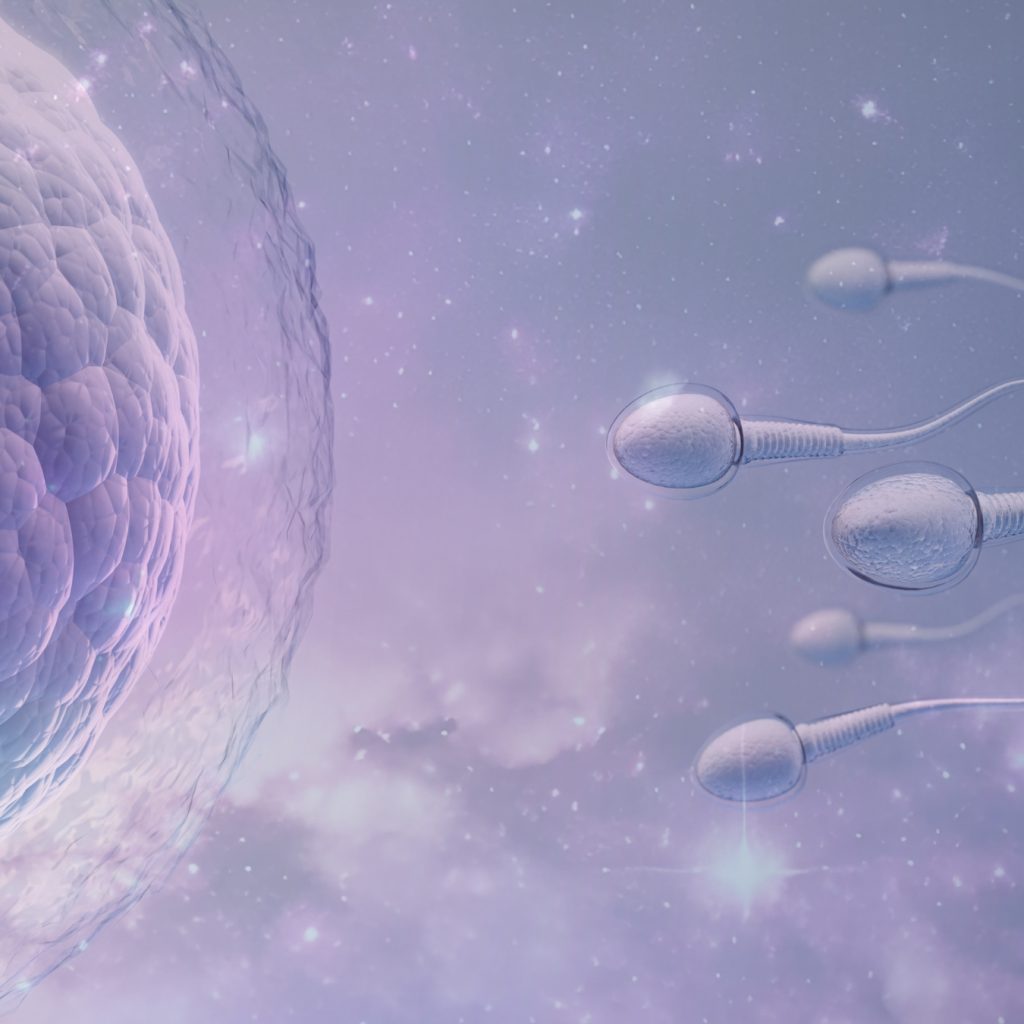
Sperm DNA fragmentation refers to the presence of breaks or damage in the DNA within sperm. While it’s normal for some sperm to have a few DNA breaks, excessive fragmentation can negatively affect fertility. Think of sperm DNA as the blueprint of life—it needs to be intact for healthy embryo development. When DNA is fragmented or damaged, it can compromise the ability to conceive or increase the likelihood of miscarriage.  

This topic is significant because male factor infertility plays a role in up to 50% of infertility cases, and sperm DNA fragmentation can be a hidden contributor even if the sperm count or motility appears normal.  
Why is Sperm DNA Health Crucial for Conception?  


Healthy sperm DNA is the foundation for successful conception. Even with great egg quality, fertilization, and implantation, fragmented sperm DNA can impede normal embryonic development. Studies show that excessive DNA fragmentation increases failure rates in assisted reproductive technologies (ART) like IVF or ICSI. For couples trying to conceive naturally, this issue could explain why pregnancies don’t occur despite no apparent problems in standard fertility evaluations.  

How Does Sperm DNA Fragmentation Testing Work?  


Conducting a sperm DNA fragmentation test is straightforward and non-invasive. A semen sample is collected and analyzed to measure DNA integrity within the sperm. The most commonly used techniques include the Sperm Chromatin Structure Assay (SCSA), TUNEL assay, and COMET assay.  

Diagnostic Benefits  


  • Identifying Hidden Issues: It uncovers DNA problems missed in traditional semen analysis, which usually evaluates sperm count, motility, and morphology.  
  • Guiding Fertility Treatments: Test results can help specialists recommend appropriate treatments, saving time and emotional exhaustion for couples.  
  • Preventing Miscarriages: Knowing the DNA fragmentation level helps couples take preventive measures to improve embryo quality and reduce pregnancy loss risks.  

Real Stories of Impact 

For many couples, sperm DNA fragmentation testing is a game-changer. Take Sarah and Mike, for example. After multiple failed IVF attempts, their doctor recommended this test. The results revealed high fragmentation levels in Mike’s sperm. With this insight, they embarked on lifestyle changes, antioxidant supplements, and targeted treatments. A few months later, their next IVF cycle ended with the successful pregnancy they had been dreaming of!  

Stories like Sarah and Mike’s highlight how pinpointing sperm DNA issues can transform fertility journeys.  

How Test Results Influence Fertility Treatments 


Testing for sperm DNA fragmentation empowers couples and fertility specialists to make more informed decisions. Based on the results, doctors may recommend:  

  • Lifestyle Changes: Quitting smoking, reducing alcohol, improving diet, exercising, and minimizing stress to enhance DNA integrity.  
  • Antioxidant Therapy: Supplements like CoQ10 or Vitamin E can reduce oxidative stress, which is a leading cause of DNA damage.  
  • Advanced Treatments: Techniques like ICSI using magnetic-activated sperm sorting (MACS) or surgically retrieved sperm (TESA/PESA) can help bypass high DNA fragmentation.  
  • Adjusting ART Protocols: Fertility procedures can be tailored to optimize success rates for male fertility solutions.  

Tips from A Fertility Expert  


It’s normal to feel stressed or overwhelmed while addressing fertility challenges. Here’s how experts suggest managing male subfertility:  

1. Get Tested Early  

Early diagnosis is key. If conception struggles persist, don’t delay investigating sperm health beyond conventional semen analysis.  

2. Focus on Lifestyle  

Stress, poor nutrition, and environmental toxins can harm sperm DNA. Focus on a balanced diet, regular exercise, and mindfulness practices.  

3. Be Open with Your Doctor  

Communication is vital. Fertility specialists can only provide tailored advice when they have the complete picture.  

4. Stay Positive  

Remember, subfertility doesn’t mean infertility. With modern diagnostics and treatment options like sperm DNA fragmentation testing, there is hope! Read our fertility success stories

Encouragement for Couples on Their Fertility Journey  


Fertility struggles are never easy, but you don’t have to face them alone or in the dark. Sperm DNA fragmentation testing offers valuable insights that could make all the difference in your pursuit of parenthood. With improved diagnostics, better-informed treatment plans, and support from compassionate experts, achieving your dream of starting a family becomes even more possible.  

Take the first step toward uncovering hidden answers on your path to parenthood. Speak with your fertility specialist, like Lindsay at Garnet Moon about sperm health today—you’re not alone on this journey, and solutions are within reach!  

How to Get Started with Garnet Moon


If you’re ready to explore the best of holistic health in Cherry Creek, Denver, you’re just one decision away from a significant upgrade to your well-being!  

Start by booking your first consultation, where our team at Garnet Moon will work with you to craft a personalized plan for your fertility journey to finally give you the peace of mind and results you deserve! 

BOOK YOUR CONSULT NOW

Keywords: Cherry Creek Denver, Natural Doctor Cherry Creek, Holistic Health Cherry Creek, Garnet Moon Denver, Acupuncture Cherry Creek Denver, Sperm DNA fragmentation, Male Fertility, Infertility Solutions, Male Subfertility, Sperm Health, Fertility Specialist, Reproductive Health

When To Test Progesterone for Conception

When to test progesterone for conception. Garnet Moon Denver.

The Crucial Timing of Progesterone Testing for Conception


Embarking on the journey to a healthy pregnancy can often feel like a complex puzzle! Among the many pieces that need to fit precisely together, understanding the role of progesterone and the timing of its testing is pivotal. This knowledge can empower those on their fertility tracking journey, potentially becoming a game-changer in achieving a healthy pregnancy. 

Progesterone, a key hormone in the reproductive cycle, plays a crucial role in allowing conception and maintaining a healthy pregnancy. Its levels and timing offer invaluable insights into fertility health. Here, we’ll explore why progesterone testing and when to test progesterone for conception is essential for fertility.

Understanding Progesterone’s Role in Conception


Progesterone is often referred to as the “pregnancy hormone.” After ovulation, it prepares the uterine lining for a potential pregnancy, making it thick enough to nourish and support a fertilized egg. If fertilization doesn’t occur, progesterone levels drop, leading to menstruation. However, if a pregnancy is achieved, progesterone levels should remain high to support the growing fetus. Progesterone is an important fertility marker for ovulation to occur and if ovuation did in fact occur in the cycle.

When to Test Your Progesterone


For those trying to conceive, timing is everything, especially when it comes to hormone testing. The most widely recommended time to test your progesterone levels is on day 21 of your cycle or seven days post-ovulation. This timing is based on a typical 28-day cycle, where ovulation occurs around days 14-16. 

Testing seven days post-ovulation is crucial because it aligns with the mid-luteal phase of your cycle when progesterone production peaks if ovulation has occurred. The mid-luteal phase is the period between ovulation and the start of your next period. This test aims to confirm whether ovulation has happened by measuring the progesterone level in your body. High levels indicate a successful ovulation, which is a positive sign for those trying to get pregnant.

Why Accurate Timing Matters


Knowing whether you’re ovulating is vital for anyone trying to conceive. An ovulation test can tell you if you’re about to ovulate, but a progesterone test confirms whether you have ovulated. This distinction is crucial because it helps pinpoint any issues with ovulation that could make conception difficult.

Furthermore, understanding your progesterone levels can help your licensed healthcare provider decide the next steps in your fertility journey. If your progesterone levels are low, it might indicate a need for supplementation or further investigation into your ovulatory cycles and further hormonal testing.

How to Ensure Accurate Progesterone Testing


To ensure the most accurate results from your progesterone test, consider tracking your ovulation through basal body temperature (BBT) charting, using an ovulation predictor kit (OPK). These methods can provide reassurance, helping you accurately identify your ovulation day and determine when to test progesterone for conception. You can also opt to work with a licensed healthcare provider who can assist you in ordering hormonal tests and then go over your results with you, further boosting your confidence in your fertility journey to success.

Need help with your fertility journey?


Book a complimentary fertility discovery virtual session with me to learn more about how I can help you get the success rates you deserve. It is your turn to be a mom! 

Book your fertility discovery call

Keywords: Balance Hormones Naturally, Hormones, Natural Doctor, Cherry Creek Denver, Natural Doctor Cherry Creek, Best Fertility Acupuncture Denver, Holistic Health Cherry Creek, Garnet Moon Denver, Acupuncture Cherry Creek Denver

Hormonal Tests: Learning About Your Hormones

Understanding Your Hormones. Garnet Moon Denver, the leader in Denver for women's health and fertility.

Understanding Hormonal Tests and Your Cycle

Understanding Your Hormones. Garnet Moon Denver, the leader in Denver for women's health and fertility.

One of the best things you can do for your body is to stay in tune with its natural rhythms. But understanding your hormones and fertility journey can be so frustrating! Learn how understanding hormonal tests and your cycle can make things much more manageable. Garnet Moon Denver is the Best Fertility & Women’s Health Acupuncture expert!

Empowering Your Hormones: Understanding Your Cycle 


In this article, I will go over common hormonal testing I recommend or review for women in my clinic.

When it comes to understanding your hormones and menstrual cycle, a range of tests are available to help identify any potential imbalances for empowered treatment plans. At Garnet Moon Denver, we strongly believe in the power of collaboration with all members of your healthcare team, including your fertility specialist, gynecologist, reproductive endocrinologist, or medical doctor. Let’s explore the different tests that can help you gain insight into your health, overall wellness, and fertility if you’re trying to conceive or balance your menstrual cycle.

Understanding Your Hormones and Cycle


Hormonal Testing or Baseline Testing – is an initial screening tool before starting any fertility treatment or helping to understanding your hormones and identify where there are issues with hormonal imbalances. This test is typically conducted through a blood sample, but many tests can also use a collection of saliva and urine.

These tests measure hormone levels such as:

  • Estradiol (E2, estrogen)
  • Luteinizing hormone (LH)
  • Follicle-stimulating hormone (FSH)
  • Progesterone (P4)
  • Testosterone,
  • Thyroid-stimulating hormone (TSH)
  • Free thyroxine (T4)
  • Triiodothyronine (T3)
  • Prolactin (PRL)
  • AMH (Anit-Mullerian Hormone) for ovarian reserve if trying to conceive or when planning to have children.

The tests are usually done on specific days of your menstrual cycle, as hormone levels can vary throughout the cycle.

The results from these tests are not just numbers; they are a window into your hormones and fertility status. They provide valuable insight and allow for suggestions on how best to proceed with treatments that align with your goals, empowering you to make informed decisions about your health and fertility.

Need Help on Your Hormone Balance or Fertility Journey?


Book a consultation now to begin your journey and getting the success rates you deserve. 

BOOK A CONSULT

Keywords: Cherry Creek Denver, Natural Doctor Cherry Creek, Holistic Fertility Cherry Creek, Garnet Moon Denver, Acupuncture Cherry Creek Denver, Best IVF Acupuncture Denver, Fertility Doctor Denver, Best Fertility Acupuncture, ABORM Acupuncture, Pregnancy Acupuncture

Regulate Your Hormones & Ovulation in PCOS

Polycystic ovarian syndrome (PCOS) affects 1 in 10 women of childbearing age. Regulate Your Hormones & Ovulation in PCOS.

Polycystic ovarian syndrome (PCOS) is a common disorder that affects women’s hormonal balance, fertility, and reproductive health.

Learn how to regulate your hormones & ovulation in PCOS — fertility treatment for PCOS. A combination of symptoms such as irregular or absent menstrual cycles, elevated levels of testosterone, and an accumulation of cysts on the ovaries characterizes it. When left unmanaged, PCOS can lead to long-term complications such as infertility.

Fortunately, acupuncture and Chinese medicine offer a natural approach to treating PCOS that can help restore your hormonal balance, regulate your cycle, aid in ovulation, and support your fertility journey.

What is PCOS & what is a fertility treatment for PCOS?


Polycystic ovarian syndrome (PCOS) is a hormone imbalance affecting up to 10 percent of women between the ages of 18 and 44. Women with PCOS have higher than normal levels of male hormones (androgens), including testosterone, which can cause physical symptoms such as excess facial hair growth, acne breakouts, and weight gain. PCOS also causes changes in the production of other hormones like estrogen and progesterone, disrupting the regularity of your menstrual cycle.

How acupuncture treats PCOS naturally. Learn how to regulate your hormones & ovulation in PCOS. 


Acupuncture has been used for centuries in Traditional Chinese Medicine (TCM) to treat many health conditions like stress relief and pain management. It has also recently become popular as an alternative treatment for PCOS due to its ability to help regulate hormones naturally without medication or surgery.

Acupuncture works by stimulating specific points on the body with tiny needles, which helps improve circulation throughout the body and promotes overall health and well-being. The needles are inserted into key points around the body where they stimulate nerve endings, which trigger the release of endorphins – our body’s natural painkillers – that help reduce inflammation throughout the body. This helps relieve some common symptoms associated with PCOS, such as abdominal bloating, fatigue, mood swings, and PMS-like cramping, without any side effects—fertility treatment for PCOS.

Additionally, acupuncture can help regulate hormone production so that it returns to a balanced state, promoting regular menstruation cycles and even aiding in ovulation for those trying to conceive naturally!

While acupuncture is not a “cure-all” for treating all cases of PCOS, it does offer patients an alternative option when conventional treatments don’t seem to be working or when they prefer not to take medications or undergo surgery because its noninvasive nature makes it safe for almost everybody!

These herbs are primarily from natural sources like plants. Still, they can also include animal products like bee venom, so it’s essential to speak with your practitioner before starting any new supplementation regimen!

Get the answers you need with an expert in hormones & women’s health: fertility treatment for PCOS.


Polycystic ovarian syndrome (PCOS) affects many women’s reproductive health today, but luckily, natural options are available for helping with this condition, such as acupuncture & Chinese medicine! Acupuncture works by stimulating specific points on the body, which helps promote circulation throughout your system & helps healthy hormone production, leading to more regular cycles & even aiding in ovulation if desired!

In addition, Chinese herbs and dietary modifications based on TCM principles may also be suggested to customize your treatment plan! With these tools, you will find yourself one step closer to achieving optimal fertility and restoring balance in your life!

How to Get Started with Garnet Moon  

If you’re ready to explore the best of holistic health in Cherry Creek, Denver, you’re just one decision away from a significant upgrade to your well-being!  

Start by booking your first consultation, where our team at Garnet Moon will work with you to craft a personalized plan. Whether it’s acupuncture, energy healing, or intuitive therapy, our expert at Garnet Moon will help you discover what your body, mind, and soul truly need.  

BOOK YOUR CONSULT NOW

Keywords: PCOS, Balance Hormones Naturally, Hormones, Natural Doctor, PCOS treatment, Cherry Creek Denver, Natural Doctor Cherry Creek, Holistic Health Cherry Creek, Garnet Moon Denver, Acupuncture Cherry Creek Denver